
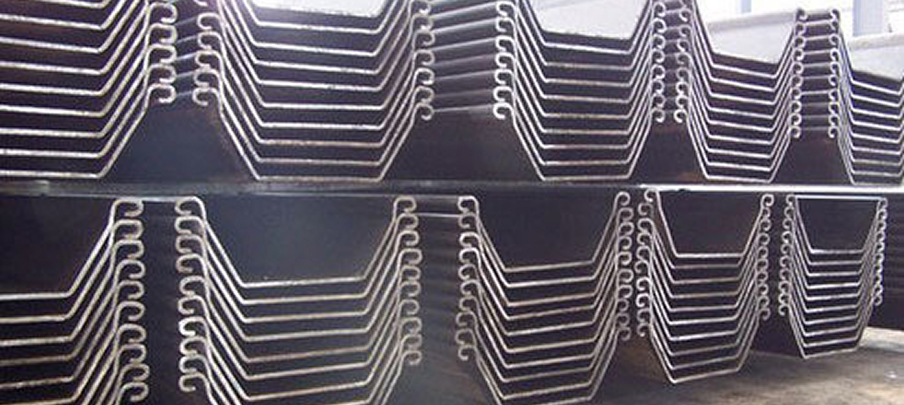
In civil engineering, maintaining ground stability is one of the biggest challenges in any construction project. Sheet piles are long structural sections with interlocking edges that connect to form a continuous wall. They provide lateral earth support while preventing soil movement and water intrusion.
Engineers often rely on sheet piles as the backbone of deep excavations because they help keep the surrounding ground stable throughout construction. They play a vital role in modern infrastructure, particularly in the Philippines and other regions with challenging soil conditions or high groundwater levels, where reliable ground support is essential for safe and efficient project execution.
Not all sheet piles are the same. The choice of material depends on factors such as soil conditions, groundwater levels, structural loads, project lifespan, and budget. Selecting the right type helps ensure the retaining system performs safely and efficiently throughout the project.
Steel sheet piles are the most widely used option for heavy-duty applications. They offer excellent strength-to-weight ratios, withstand the stresses of installation, and can be reused across multiple projects. Although they typically require a higher upfront investment, their durability and recyclability often make them the most cost-effective choice over the long term.
Concrete sheet piles are usually precast and reinforced for permanent structures such as seawalls, riverbanks, and flood protection systems. They provide excellent durability and resistance to corrosion and biological deterioration. However, their heavier weight makes them more challenging to transport and install, which can increase project costs.
Vinyl or PVC sheet piles are a lightweight alternative suited to light-duty applications. They resist chemical corrosion, rust, and UV exposure, making them ideal for marine and waterfront environments with lower structural demands.
However, while they are cost-effective and require minimal maintenance, they are not suitable for deep excavations or projects involving heavy loads.
Timber sheet piles are commonly used for temporary works or shallow excavations in non-corrosive environments. They are generally the most economical option but have lower strength than other materials. Because timber is vulnerable to rot, insects, and marine borers, it is less suitable for long-term applications unless properly treated and maintained.
Sheet piles are widely used in construction projects that require reliable earth retention and water control. Depending on the project's requirements, they can serve as either temporary or permanent structures, helping maintain ground stability and support safe construction.
Sheet piles are commonly used to stabilize riverbanks and construct seawalls and levees. They create a durable barrier that helps prevent soil erosion, control water intrusion, and protect nearby communities and infrastructure from flooding.
Sheet piles are essential for supporting deep excavations for high-rise buildings, basements, tunnels, and other underground structures. By resisting lateral earth pressure, they help maintain ground stability and protect both the construction site and nearby properties throughout the excavation process.
The construction of piers, docks, harbors, and quay walls often relies on sheet piles to create strong and stable waterfront structures. These systems are designed to withstand constant water pressure, wave action, and the demanding conditions of marine environments.
In bridge, dam, and marine construction, sheet piles are used to build temporary cofferdams that keep water out of the work area. This creates a dry, controlled environment where foundation work can be completed safely before the sheet piles are removed or incorporated into the permanent structure.
Sheet piles are widely used in construction because they provide a practical combination of strength, efficiency, and long-term value. Their design allows them to perform well in demanding environments while helping improve construction speed and site safety.
Sheet piles are manufactured from high-strength materials that can withstand significant lateral earth and water pressure. Their durability helps maintain ground stability and reduces the risk of soil collapse, making them ideal for deep excavations and other high-risk construction projects.
The interlocking design of sheet piles allows for faster installation than many conventional retaining systems, such as cast-in-place concrete walls. They can be used in a wide range of soil conditions and are especially suitable for confined urban areas where excavation space is limited.
The tight interlocking connections between sheet piles help minimize groundwater seepage and control water intrusion. This makes them particularly valuable for projects in coastal areas, flood-prone locations, and sites with high groundwater levels.
Steel sheet piles can often be extracted and reused on future projects, helping reduce material waste and overall construction costs. Their long service life, low maintenance requirements, and reusability make them a cost-effective solution for both temporary and permanent applications.
While sheet piles offer many advantages, they are not suitable for every project. Factors such as site conditions, installation requirements, long-term maintenance, and project objectives should all be evaluated during the planning and design stages.
Sheet piles have practical height limits before additional support, such as tie-backs or bracing systems, becomes necessary. Installation can also be challenging in rocky ground or very dense soils, where pre-drilling or specialized equipment may be required.
Installing sheet piles with vibratory or impact hammers can generate considerable noise and ground vibration. In densely populated or built-up areas, these effects may disrupt nearby communities or affect adjacent structures, requiring careful planning and appropriate mitigation measures.
Steel sheet piles are susceptible to corrosion when exposed to moisture and oxygen, while timber piles may deteriorate due to rot and biological attack. To extend their service life, protective coatings, cathodic protection systems, or regular maintenance may be necessary, particularly in harsh or marine environments.
Although sheet piles are highly effective, the overall project cost may increase when protective treatments, specialized installation methods, or additional support systems are required. In addition, exposed sheet pile walls may not suit projects where aesthetics are a priority, making architectural finishes or screening necessary.
Choosing the right sheet pile system requires balancing structural performance, site conditions, and long-term project requirements. By selecting the appropriate material and installation method, you can improve construction efficiency, enhance site safety, and ensure the long-term stability of your structure.
If you are looking for high-quality sheet piles for your next project, partner with a supplier that understands the unique challenges of local construction conditions. CPME Industrial Sales Corp. offers reliable sheet pile solutions to support a wide range of civil engineering and infrastructure projects. Contact us today to discuss your requirements and find the right solution for your project.